Book Appointment Now

References on a Resume: A Proven Way to Impress
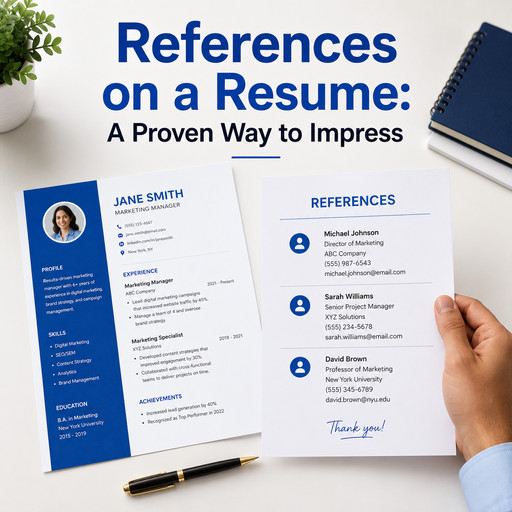
How many references should you have on a resume? Your resume is finished, but the cursor is still blinking under “References,” and your stomach drops a little. Get it wrong and you either look desperate with too many names or unprepared with too few, and either one can cost you the callback before you even get a chance to explain yourself. How many references should you have on a resume, really? The answer is simpler than the panic makes it feel.
But that number only tells half the story. The real question isn’t just how many people you list, it’s who you pick, where you put them, and whether you even need them yet. Get those pieces wrong and the perfect number won’t save you.
Let’s break down exactly how to get this right.
Are References Needed on a Resume?
No, not usually, and not on the resume itself. Most employers don’t check references until later in the process, often after an interview. So do you need references on your resume? Only if the job posting specifically asks for them.
Skip the old “References available upon request” line too. Employers already know they can ask. That sentence just wastes space you could use to show off your actual skills.
Keep your references ready, but keep them separate.
How Many References Should You Have on a Resume?
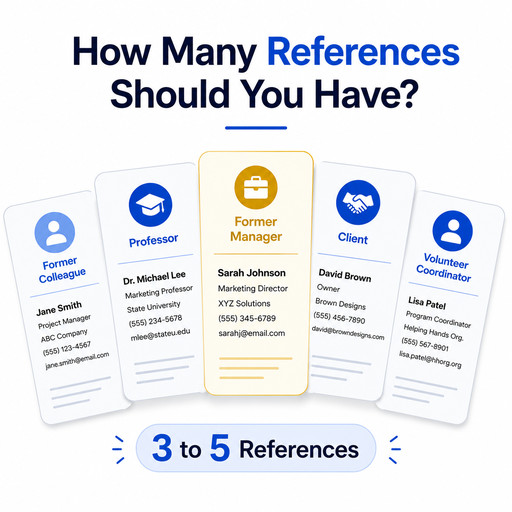
Stick to three to five references. Here’s the part most guides skip: why that range works. Employers rarely call every name on your list. Indeed’s own career data shows an average of three references checked per candidate, so the extra names on your sheet mostly exist as backup, in case someone doesn’t pick up or has changed jobs.
List fewer than three and you look thin on connections. List more than five and you make the employer work harder to figure out who actually matters. Three to five gives them options without giving them homework.
How Many References for a Job?
How many references should you have on a resume? The right number shifts depending on where you stand in your career.
Entry-level: Two to three references work fine. A professor, an internship supervisor, or a part-time manager all count.
Mid-level: Aim for three to four. Former managers and colleagues who watched you do the actual job carry more weight here than academic contacts.
Senior or government roles: Expect to provide five to seven. These positions often come with formal background checks, so employers ask for a longer, more detailed list upfront.
Match your number to your level, not a one-size rule.
Where Do I Put References on My Resume?
Nowhere on the resume itself. Put your references on a separate sheet, formatted like your resume, with your name and contact details at the top so it matches your application.
Bring this sheet to interviews and send it only when asked. Employers who want references on a resume specifically will say so in the job posting. If they don’t, hold onto your list until they request it.
How to Add References to a Resume, the Right Way
When you do add references to a resume packet, keep the format simple and consistent. For each person, include:
- Full name
- Job title
- Company or organization
- Phone number
- Email address
- Your relationship to them (“former manager,” “academic advisor”)
Order the list with your strongest reference first, the person who knows your work best and can speak to it in detail. Putting references on a resume sheet this way makes it easy for a hiring manager to scan and start calling.
What If You Don’t Have Enough References?
Not everyone can answer how many references should you have on a resume with a full list of three to five people ready to go, and that’s normal, not a red flag.
Career changers can lean on a mentor, a client, or someone from a professional group instead of a direct manager. People with employment gaps can ask a volunteer coordinator or a freelance client. First-time job seekers can use professors, coaches, or anyone who supervised them in a structured setting.
Leaving a workplace on bad terms? Skip that manager and choose a coworker or a different supervisor who saw your work firsthand. Two strong references beat five weak ones every time. And once your reference list is sorted, don’t forget the rest of your application, your resume still needs to be tailored to the job you want, too.
Do LinkedIn Recommendations Count?
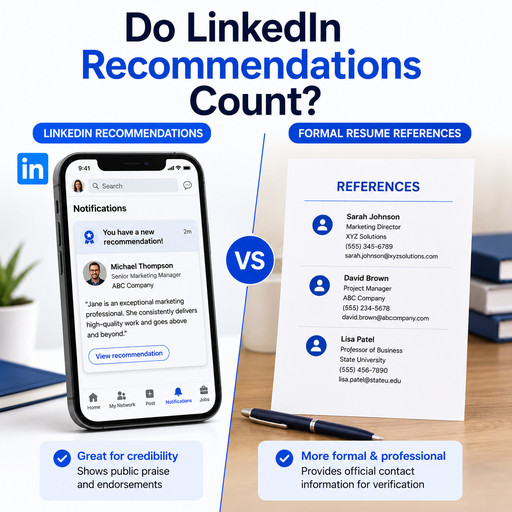
They help, but they don’t replace a formal reference list. Hiring managers surveyed on the topic consistently say recommendations can support a hiring decision but will never carry the same weight as a formal reference check. Recommendations show up before an employer even calls anyone, which builds early trust. Still, keep a dedicated reference sheet ready. Some employers want a direct conversation, not just a written blurb on your profile.
Build the Whole Application, Not Just This One Piece
Getting your reference list right matters, but it’s one piece of a much bigger picture. Once you know how many references should you have on a resume, your resume itself still needs to match the job description, your application still needs to reach the right employers, and you still need to walk into the interview ready to talk about your experience with confidence.
Lightforth handles that full picture in one place. It tailors your resume to each job you apply for, applies to matching roles on your behalf, and preps you for interviews with real-time coaching. Stop treating your job search like a stack of separate problems. Get Started with Lightforth.ai and let one tool carry the process from here.
Is 5 references a lot?
No, five sits right at the top of the normal range, not over it. Most employers expect three to five references, so five is a safe upper limit, not an excessive number. The only time it becomes “too many” is if you’re padding the list with people who barely know your work just to hit a bigger count.
Is 7 references too many?
For most jobs, yes, unless the employer specifically asks for that many. Seven references usually only makes sense for senior, executive, or government roles that require a formal background check with multiple contacts. For a standard job application, stick to three to five and keep seven in reserve for roles that clearly call for it.
How many references do you need in a resume?
You don’t need any references on the resume itself, since they belong on a separate sheet. When an employer does ask for that sheet, three to five names is the standard target, adjusted down to two or three for entry-level roles and up to five to seven for senior positions.
How many references are good for a CV?
The same three to five range applies here. A CV, often used for academic or research roles, sometimes asks for a slightly longer list, closer to four or five, since these positions often value input from multiple supervisors or collaborators. Check the specific application instructions, since CV norms shift a bit more by field than resume norms do.
Do references need to be from the same industry as the job you’re applying for?
No, but it helps when they are. A reference from a related field can speak more directly to skills the employer cares about, while a reference from a different industry can still work well if they know your work ethic and character closely. What matters most is how well they know your actual performance, not whether their job title matches the one you want.