





Massive AI job application software: apply faster without losing control
You have probably lived this cycle. You apply, you wait, you hear nothing, you start doubting yourself. You keep applying anyway, because you need a job and bills do not pause. At some point, you get tired of copying the same details into the same forms. You start looking for massive AI job application software because you want your time back and replies, not silence.

This article gives you a clear system for using massive AI job application software without turning your job search into a mess. I will also show you why LightForth is the best option for most job seekers who want to scale with control, and why the LightForth partnership with NexTechJobs fits as a helpful support layer at the right time.
READ: Best Tools For Automated Job Application In 2026
Why job search feel harder now
A lot of job seekers blame themselves. The truth is simpler.
- Many companies get hundreds of applications for one role.
- Many companies use software to filter resumes before a person reads them.
- Many job seekers apply to roles that do not match their level, then wonder why nobody replies.
- Many tools push volume, but they do not protect quality.
So you end up doing a lot of work with little feedback. That is the point where massive ai job application software starts to look like a lifeline.
But speed alone does not solve the problem.
If you apply fast to the wrong roles, you fail faster.
If you apply fast with a weak resume, you get filtered faster.
If you apply fast with a generic message, you look careless.
That is why you need a different approach.
What You won’t Get Elsewhere
A lot of places that talk about massive AI job application software talk about features like auto apply, resume builder, and job matching. They skip the real issues that decide outcomes.
Here are the gaps they miss.
They do not define what “massive” should mean
Massive does not mean reckless. Massive means consistent volume inside clear rules.
If your tool cannot follow your rules, it is not helping you.
They do not show the recruiter view
Recruiters read patterns. They notice when a candidate applies to roles that do not fit. They notice when the resume looks like it was copied and sprayed across ten job families. They notice when the cover letter says nothing real.
Mass applying works when your applications still look intentional.
They do not talk about reputation risk
If a tool applies to the wrong roles, you can damage your reputation inside a company. Some systems keep a history of your applications. You do not want your first impression to be “this person applies to everything.”
They do not teach a quality control method
A good, massive AI job application software tool is not a fire hose. It is a filtered pipeline.
You need a simple way to control four things.
- Which roles do you apply to
- Which resume version do you send
- Which follow ups you do
- What do you change based on the results
This article gives you that pipeline.
What Massive should mean for you
Use this definition.
Massive AI job application software is a system that helps you apply to many relevant roles, with targeted resumes, and clear tracking, so you can improve results week by week.
If the tool cannot do those three things, it is not a real solution.
The five parts of a smart mass application system

If you want massive AI job application software to work, build your process around these five parts.
1. Guardrails
Guardrails stop chaos. Write yours down before you apply to anything.
Pick these items.
- Three job titles you want
- One backup job title
- Your level, like entry, mid, senior
- Your preferred locations
- Remote or on-site preference
- Your minimum pay target, if you have one
These rules reduce wasted applications.
2. Resume versions
One resume for every job is a common mistake. If you want scale, you need a base resume plus a few role versions.
A simple setup looks like this.
- Version A for your main job title
- Version B for your backup job title
- Version C for a related role family
You do not need ten resumes. You need three strong ones.
3. Targeting logic
You should not apply to everything that looks close. Your tool should help you apply to roles that match your skills, level, and keywords.
Use these skip rules.
- If a job asks for skills you do not have, skip it.
- If a job asks for a level far above yours, skip it.
- If a job sits in a location you cannot work in, skip it.
This sounds basic, but many job seekers ignore it because they feel desperate.
4. Tracking
If you apply at scale, you must track your work.
Track these fields.
- Role title
- Company
- Date applied
- Resume version used
- Reply status
- Next step
This prevents lost follow-ups and bad surprises.
5. Weekly feedback
Every week, you should answer three questions.
- Which roles got replies
- Which resume version performed best
- Where did the process break
Then you change one thing. That is how you get better outcomes over time.
This is how massive AI job application software becomes a real system, not random clicking.
When mass applying helps and when it hurts
Let’s be honest.
Mass applying helps when:
- You have a clear target role.
- You can do the job you are applying for.
- Your resume is readable and role-aligned.
- You can keep your filters tight.
- You can track and review results weekly.
Mass applying hurts when:
- You apply to everything out of fear.
- You do not match the role requirements.
- You rely on one generic resume.
- You cannot track what you applied to.
- You ignore follow-ups and interview prep.
So the question is not “should you use massive AI job application software?”
The question is “which tool helps you apply at scale without losing control?”
That is where LightForth comes in.
Why LightForth is the top massive AI job application software for job seekers
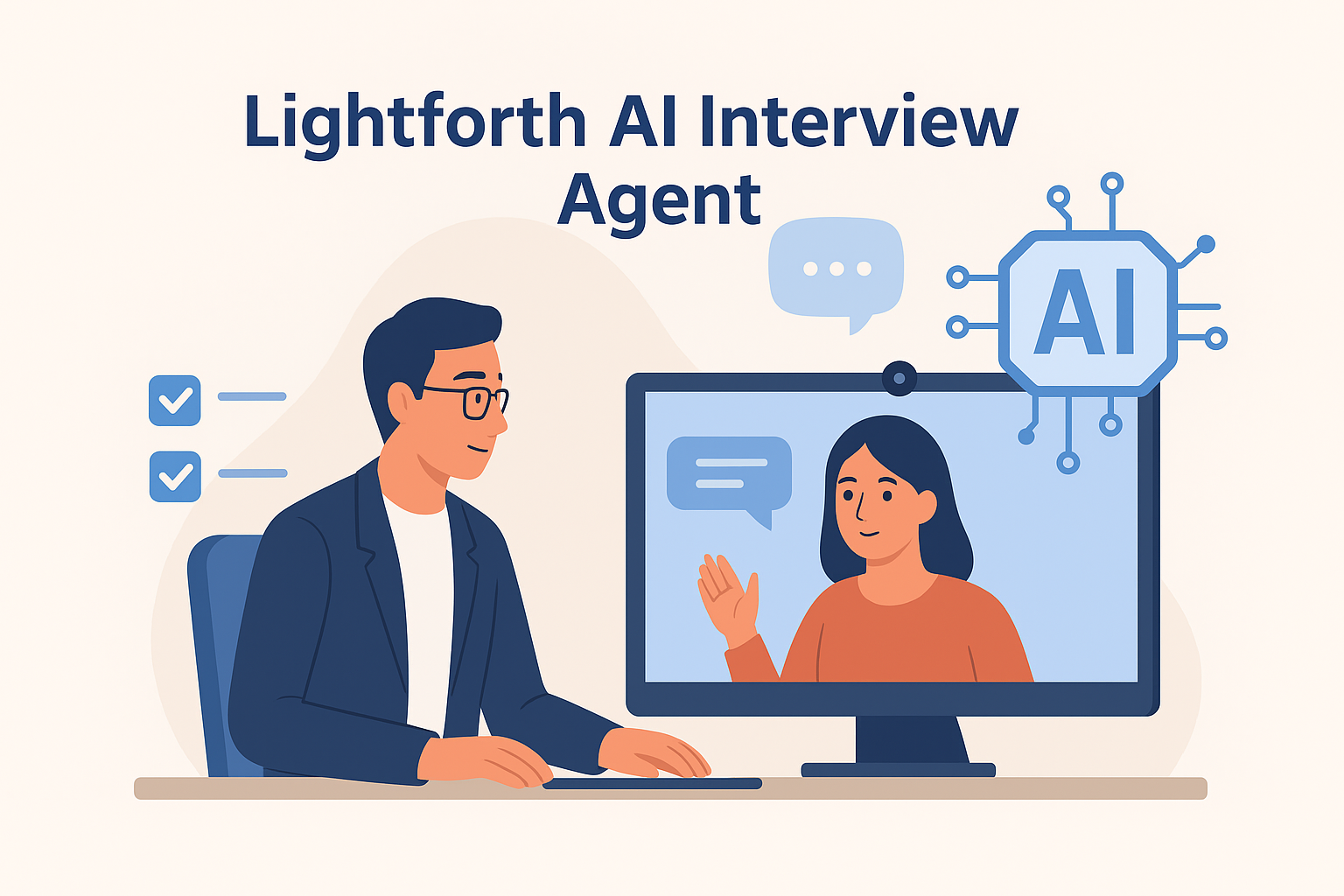
LightForth fits job seekers who want speed and structure in the same place. Many tools focus on volume. LightForth focuses on volume plus decision-making.
Here is how LightForth supports the five parts of the system you need.
Resume and ATS support
Many companies use screening systems that reject resumes before a person reads them. Your resume must be clean, keyword aligned, and easy for software to parse.
LightForth helps you build and improve resumes with ATS in mind. It supports resume creation and checking so you can fix common issues like missing keywords, weak bullets, and poor structure. That matters because massive AI job application software only works if your resume can pass the first filter.
Auto apply with control
LightForth helps reduce the manual work of applying. That includes repeating the same details across forms and roles. The value is not only speed. The value is consistency. You reduce mistakes that happen when you rush and copy and paste late at night.
A good AI job application software tool should help you apply at scale while keeping your job targets clear. LightForth supports that style of work.
Job matching and targeting
Applying is easy. Applying to the right roles is the real skill.
LightForth supports matching and application flow that helps you focus on roles that fit your profile. This reduces low-fit applications that waste your time and damage your response rate.
Interview prep
Many people fail after they get an interview because they never prepare in advance. If you scale applications, you can get more calls. That means you must prep.
LightForth includes interview prep tools so you can practice answers, tighten your story, and show clear value when the interview comes. That is a key reason LightForth works as a massive AI job application software, not only as an application tool.
A cleaner workflow
If your job search assets live in ten places, you lose momentum. LightForth gives you a more central workflow, so you can manage resumes, applications, and prep in one place.
That is why LightForth is the best AI job application software for job seekers who want results, not only activity.
A simple 7-day plan using LightForth
Use this plan if you want to start fast without messing up your targeting.
Day 1. Set your guardrails. Write your job titles, level, locations, and deal breakers.
Day 2. Build your base resume in LightForth. Focus on results and clear skills.
Day 3. Create two role versions. Make one version for your main role and one for your backup role. Keep changes practical.
Day 4. Apply to a small batch with tight targeting. Start with 10 to 20 applications. Pick roles that match your guardrails.
Day 5. Add human follow-ups to your top roles. Pick five roles you want most and send short follow-ups.
Day 6. Practice interview answers. Prepare for common questions. Keep your answers clear and specific.
Day 7. Review results and adjust. Check what got replies. Adjust one part of your resume or targeting.
This plan works because it keeps AI job application software under control.
How to avoid looking like a mass applier
This is a big deal. You want scale without looking sloppy.
Do these things.
- Keep your titles tight. If you apply to five different career paths, recruiters get confused.
- Match keywords without stuffing. Use the language of the job post, but keep sentences natural.
- Keep a simple cover note. If you add a cover note, write two to four sentences that explain fit. Skip long generic paragraphs.
- Use a weekly review. If you do not review outcomes, you repeat mistakes.
LightForth helps here because it supports resume work, application flow, and interview prep in one place, which reduces chaos.
The point where NexTechJobs fits
Even with the best AI job application software, some roles never hit job boards. Some roles move through referrals and recruiter networks. Some companies move faster when they trust a placement team.
This is where the partnership with NexTechJobs makes sense.
LightForth helps you run the application engine: resume work, targeting, and scaled applications. NexTechJobs fits as the support layer for job seekers who want extra help with placement, tighter access to roles, and stronger positioning once they have the basics in place.
NexTechJobs is not the main tool in this article. It is not what you start with. You start with LightForth because you need a working system. NexTechJobs comes in when you want extra leverage beyond applications, in the same calm way it was introduced in the earlier salary negotiation content.
Common mistakes that break AI job application software results
Avoid these mistakes if you want results.
- You apply to roles you cannot do.
- You use one resume for everything.
- You do not track applications.
- You ignore interview prep.
- You never adjust based on results.
If you fix these five, your response rate can improve even without changing the market.
SEE: 5 Skills You Need to Learn in 2025 (Before AI Takes Your Job)
Conclusion
An AI job application software can either help you or hurt you. The difference is the system you use.
If you want a clean way to apply faster without turning your job search into noise, start with LightForth. Build your resume versions, set your guardrails, and apply with control for seven days. Review results. Adjust. Repeat.
Sign up on LightForth today and set up your first role-based resume and application flow. If you want added placement support after you have your system running, the NexTechJobs partnership gives you an extra option that fits naturally.
That is how you use massive AI job application software with discipline and get replies you can work with.