Book Appointment Now

Enough References for a Resume ? 5 Simple Fixes if Short
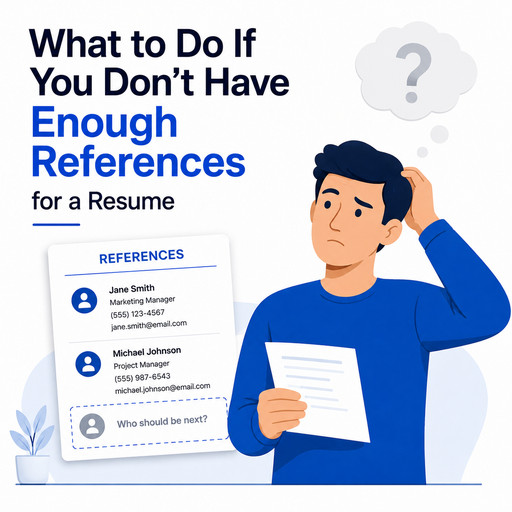
You need three references and you can only think of two people who’d actually pick up the phone. If you’re wondering what to do if you don’t have enough references for a resume, you’re not alone, and it’s fixable. Maybe you’re new to the workforce, maybe you left a job on bad terms, maybe it’s been years since you worked with anyone who’d remember you clearly. Whatever the reason, this is more common than it feels, and it’s fixable.
Here’s exactly what to do.
First, Figure Out How Many You Actually Need
How many references should you have on a resume?
Most jobs ask for three to five references, but that number isn’t fixed for everyone. For entry-level roles, two to three references is often enough. For senior or government positions, employers may expect five to seven. Check the job posting first. If it doesn’t say, three is a safe target to work toward, not a hard rule you have to hit today.
What to Do If You Don’t Have Enough References for a Resume: Look Beyond “Former Manager”
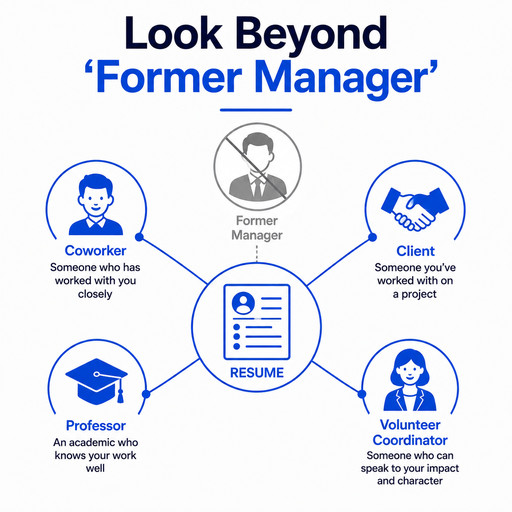
The instinct is to only count direct supervisors, and that instinct is what leaves people short. Widen the list:
Coworkers and peers. Someone who worked beside you can speak to how you collaborate, which matters just as much as how a manager rated you.
Clients or customers. If you freelanced, consulted, or worked in any client-facing role, a client who saw your work firsthand counts as a strong professional reference.
Professors or academic advisors. If you’re early in your career or went back to school, an instructor who knows your work ethic is a legitimate choice, not a fallback.
Volunteer coordinators or team leads. Volunteer work still shows how you show up and follow through. A coordinator who supervised you can speak to that.
Mentors and industry contacts. Anyone who’s watched your growth over time, even informally, can offer a reference that feels personal instead of generic.
Do you need references on your resume from a job title exactly matching the one you’re applying for? No. You need people who can speak honestly about how you work.
Are references needed on a resume at all right now? Only once an employer actually asks, so there’s no rush to have a perfect list finished before you even apply.
If an Employer Asks Why a Manager Isn’t on Your List
Skipping a manager you didn’t get along with is fine, but be ready for the question if it comes up. You don’t need to explain the whole story. A short, neutral line works: “I’ve included people who worked most closely with my day-to-day projects.” That’s true, professional, and closes the topic without inviting more digging.
If the employer pushes further, stay factual instead of critical. Something like “we had different working styles” says enough without turning the conversation into a complaint session about a past job. Hiring managers have heard this before. Confidence in your answer matters more than a perfect explanation.
Rebuild Contact with People You’ve Lost Touch With
Sometimes you have the right people, you’ve just lost touch. A short, honest message works fine. Tell them you’re job hunting, mention the role, and ask if they’re comfortable being a reference. Give them time to remember specifics about working with you before an employer calls.
This step alone can turn a shaky list of two into a solid list of four.
How to Ask Someone Who Isn’t a Close Contact Anymore
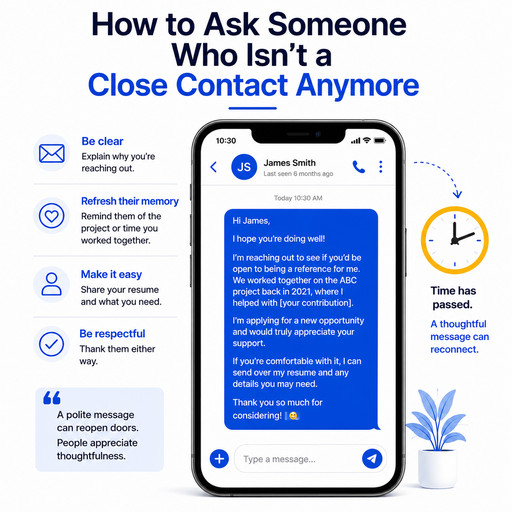
Reaching out to someone you haven’t spoken to in years feels awkward, but it’s a normal part of a job search, and most people respond better than you’d expect. Keep the message short: remind them how you know each other, mention what you’re applying for, and ask directly if they’d feel comfortable serving as a reference.
Don’t over-apologize for reaching out after a long gap. One line acknowledging the time is enough, something like “it’s been a while since we worked together, I hope things are going well.” Then get to the ask. People are usually more willing to help than the awkwardness in your head suggests, especially if you make it easy to say yes or no.
If they agree, send a quick reminder of what you worked on together. It helps them speak with more detail if an employer actually calls.
Building Your List, Once You Have Enough Names
Once you’ve gathered enough people, format matters. We cover exactly how to structure and order a reference sheet in References on a Resume: A Proven Way to Impress, so use that as your next step once your list is ready.
That’s really the core of what to do if you don’t have enough references for a resume: widen who counts, then fix the format once your list is solid. Two well-prepared references beat five names who barely remember you.
Let Lightforth Take the Rest Off Your Plate
A short reference list is one piece of a job search that already asks a lot of you: a resume that matches every posting, applications sent to the right roles, and interview answers that hold up under pressure. “Knowing what to do if you don’t have enough references for a resume is just one piece solved, you don’t need to solve all of it alone, or in order.
Lightforth tailors your resume to each job, applies to matching roles on your behalf, and preps you for interviews with real-time coaching, so you can keep moving even while your reference list is still a work in progress. Get Started with Lightforth.ai and build the rest of your application while you sort out the references.
What do I do if I have no references for my resume?
Start with people who’ve seen your work in any structured setting, not just past managers. Professors, volunteer coordinators, clients, or team leads from group projects all count. If you truly have nobody yet, reach out to someone you haven’t spoken to in a while and ask directly if they’d be comfortable being your reference. Most people say yes when asked clearly and given context.
Can I put my friends as references?
Not as a personal friend, no. Employers want references who observed your work in a professional or academic setting, not people who just know you socially. But if a friend also happens to be a former coworker, client, or supervisor, that professional relationship is what qualifies them, not the friendship itself.
What do I do if I don’t have enough references for a job?
Widen your definition of who counts before you panic. Coworkers, clients, professors, and volunteer supervisors are all valid, not just direct managers. If you’re still short, it’s fine to submit two strong references instead of forcing a third weak one, especially for entry-level roles. Quality matters more than hitting an exact number.
Is it okay if I don’t have references on my resume?
Yes, and it’s actually expected. References shouldn’t be on the resume itself in the first place, they belong on a separate sheet you provide only when asked. Not having them listed on your resume is normal practice, not a gap in your application.
How do I know if a reference will actually say good things about me?
Ask them directly before you list them, don’t assume. A simple “would you be comfortable speaking positively about my work if [company] calls?” gives them an easy way to decline if they’re not confident doing so, and gives you a clear yes before you put their name down. This avoids the risk of a lukewarm or hesitant reference call working against you.